
Gene and Cell Therapy Engagement Day 2026

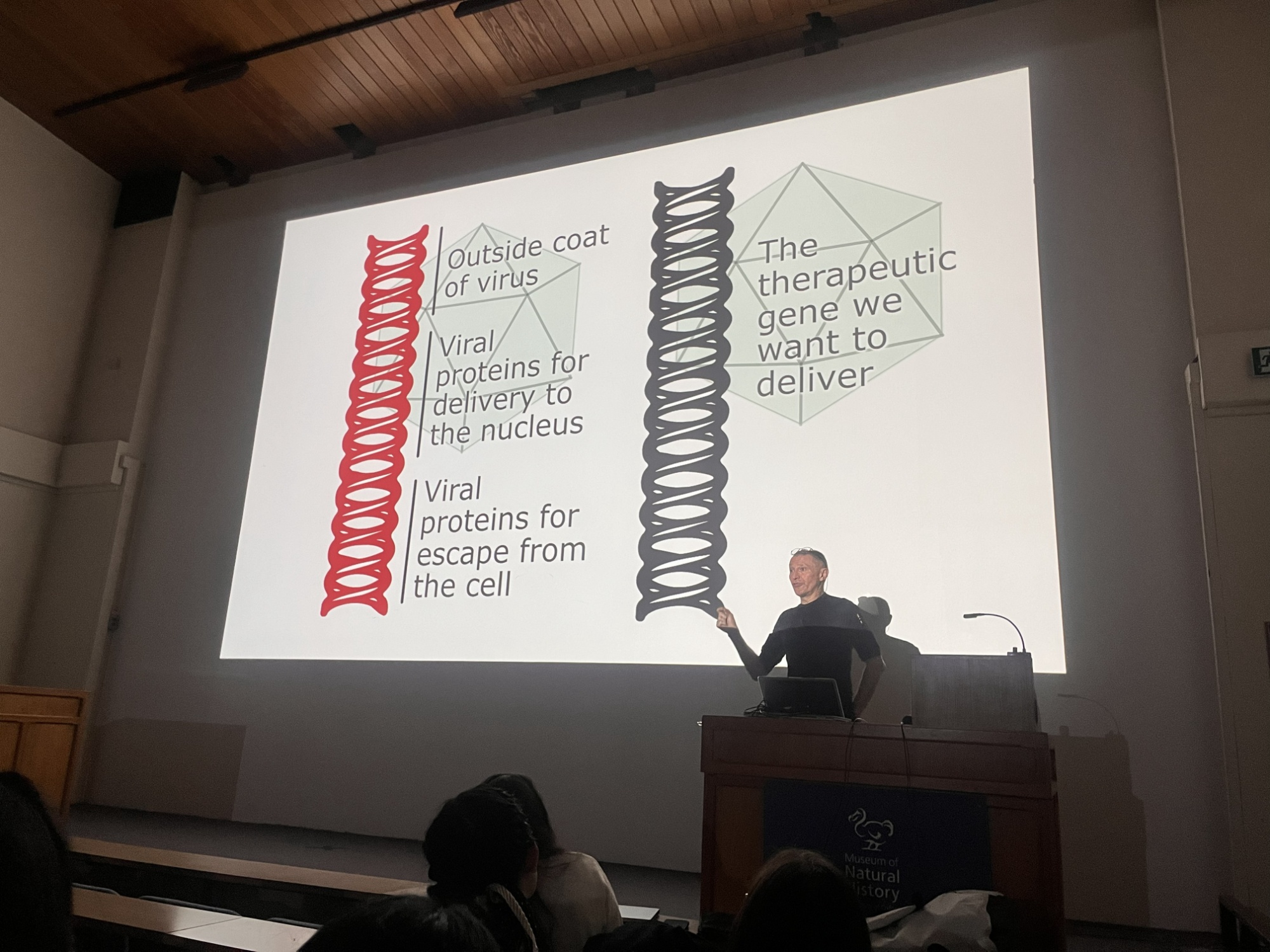
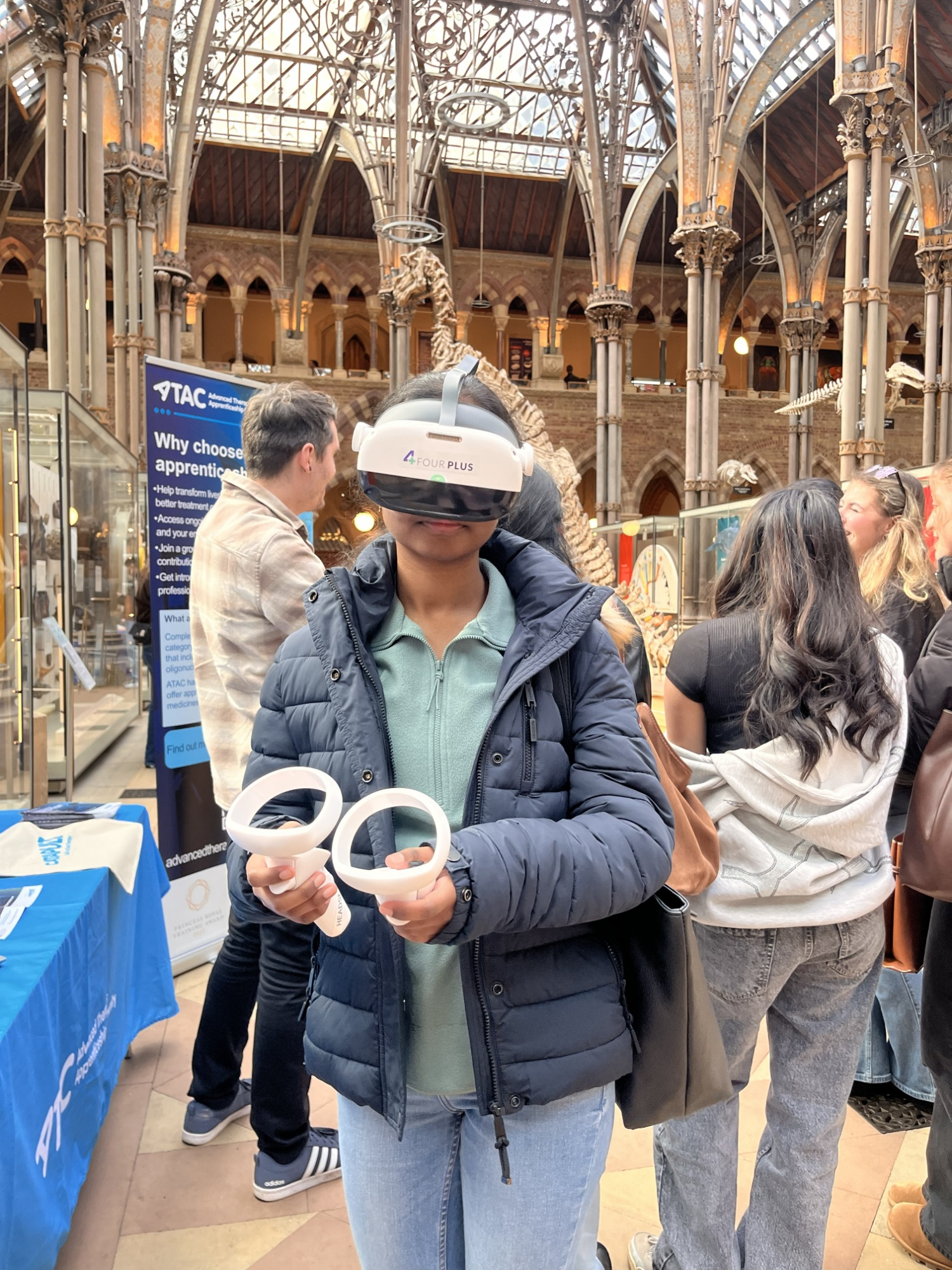
Back in March, Year 13 Biologists visited The Oxford University Museum of Natural History to attend the annual British Society for Gene and Cell Therapy (BSGCT) public engagement day. The day included a series of talks designed to provide an interesting introduction and background to the rapidly developing world of gene and cell therapy. It offered opportunities to meet scientists, discuss ethics, and learn about cutting-edge research.
Deeksha has written an article on one of the talks presented by research scientist Dr Sonam Gurung:
The second speaker at the Oxford engagement day was Dr Sonam Gurung, currently a postdoctoral researcher at UCL, who spoke about her research into using mRNA to treat genetic disorders such as urea cycle disorders. Using mRNA instead of viral vectors offers several pathological and clinical advantages. It allows for rapid therapeutic action, as mRNA can be quickly modified and translated, and it can also code for larger proteins. From a therapeutic perspective, there is a reduced risk of immune rejection and, because mRNA does not integrate into the host genome, it does not cause permanent genetic changes, giving patients greater autonomy and fewer long-term consequences.
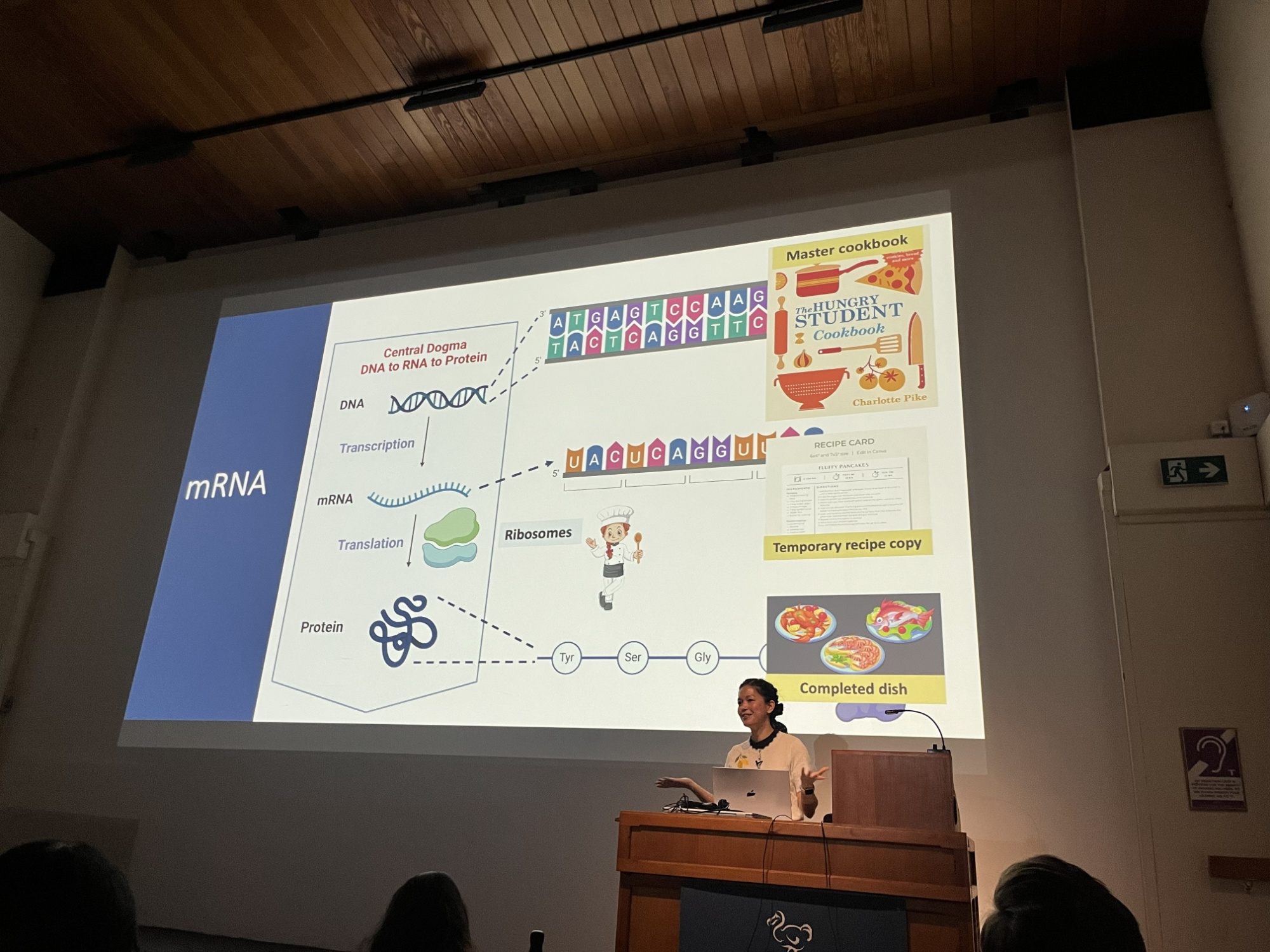
The treatment is administered by packaging mRNA into delivery systems and introducing it intravenously. These systems travel through the bloodstream to reach target cells, where they are taken up via endocytosis and release their contents inside the cell. Key delivery systems include lipid nanoparticles (LNPs) and exosomes, both of which contribute to the reduced risk of immune response. In LNPs, the lipid bilayer surrounding the mRNA is composed of molecules that are designed to be biocompatible. Similarly, exosomes, which are derived from mammalian cells, exhibit high biocompatibility and low immunogenicity.
 Dr Gurung then discussed the preclinical research required before clinical testing and eventual therapeutic use. A brick in the wall of this arduous process involved the use of a knockout mouse model, which we learnt about in A Level Biology. A specific gene associated with urea cycle disorder (the ASL gene) is deliberately inactivated or “knocked out.” This allows researchers to replicate the disease phenotype in mice and assess whether the mRNA therapy can successfully restore the missing protein function to alleviate symptoms.
Finally, Dr Gurung highlighted some of the challenges associated with this delivery mechanism, including the fact that only a small proportion of administered mRNA (around 5%) is successfully released into cells. She also discussed the implications of repeated treatments, such as potential side effects, immune responses, variability in patient compatibility and complications arising from long-term administration.