
Visit to Refugee Support Group
On Wednesday 7th October, student leaders and volunteers of the Refugee Homework Club were fortunate to be given the opportunity to find out more about the Reading Refugee Support Group (RSG), the charity that runs this programme, and the other incredible ways in which they provide legal and practical support for refugees and asylum seekers who reside in Reading, no matter whether they have acquired settlement status or not.
We walked to the RSG’s main operational offices, situated at the back of Reading International Solidarity Centre (RISC), just a few minutes away from Kendrick. We were shown through the offices and introduced to the key employees who keep the charity running. Although it is a very small organisation, the huge impact of its work quickly became clear to us.
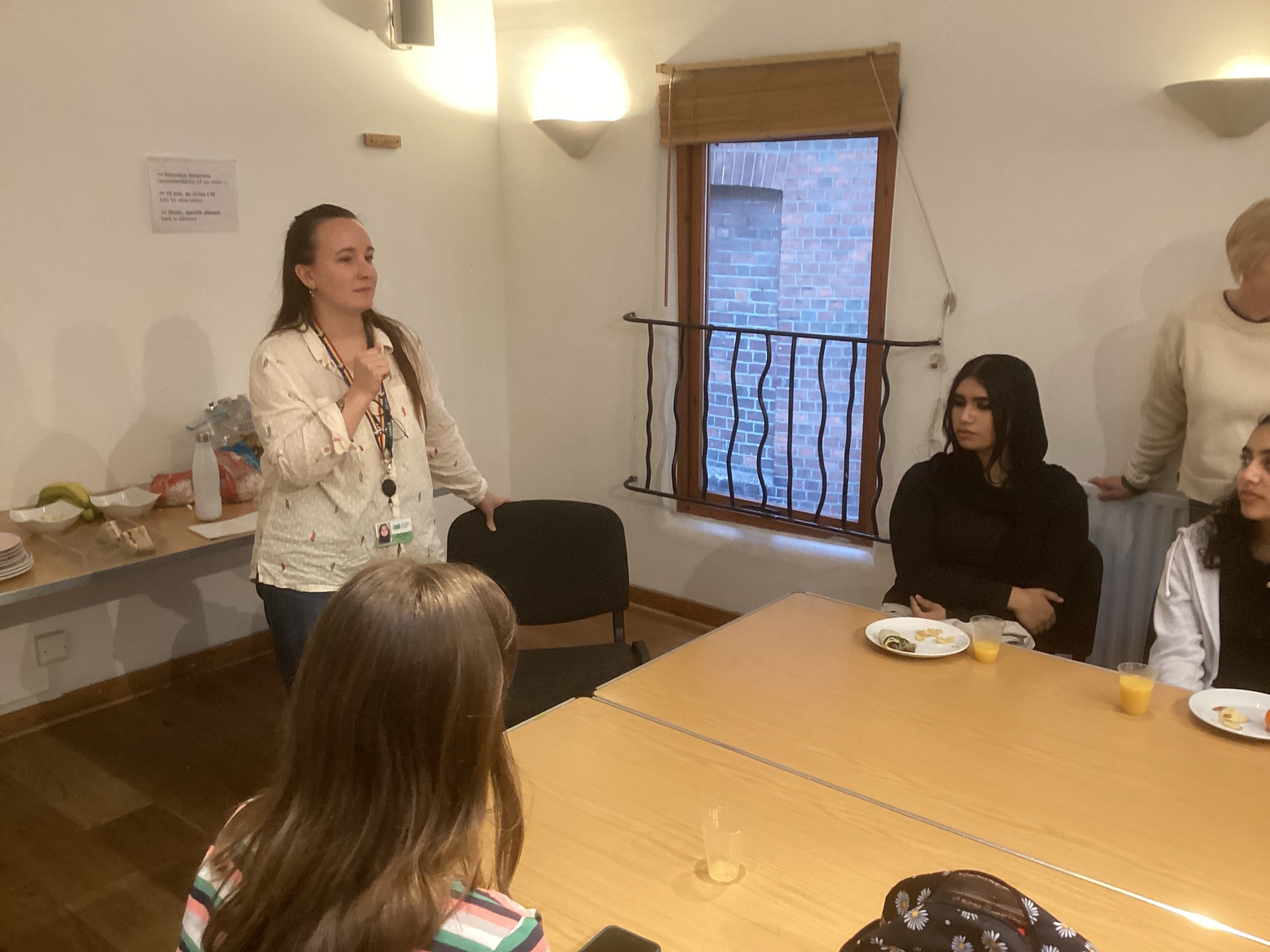
We were first given a talk by the CEO, Najwa Abdallah, who has worked in the humanitarian and social impact sectors for over 26 years, after being displaced during the civil war in Lebanon. She explained the role of the RSG in helping refugees in the area: mainly with integration and casework. Currently, the RSG primarily supports resettlement referrals from Ukraine and Afghanistan, though it will support anyone who needs it. It helps its clients to identify their needs, before giving them practical support or information about the appropriate services they may need.
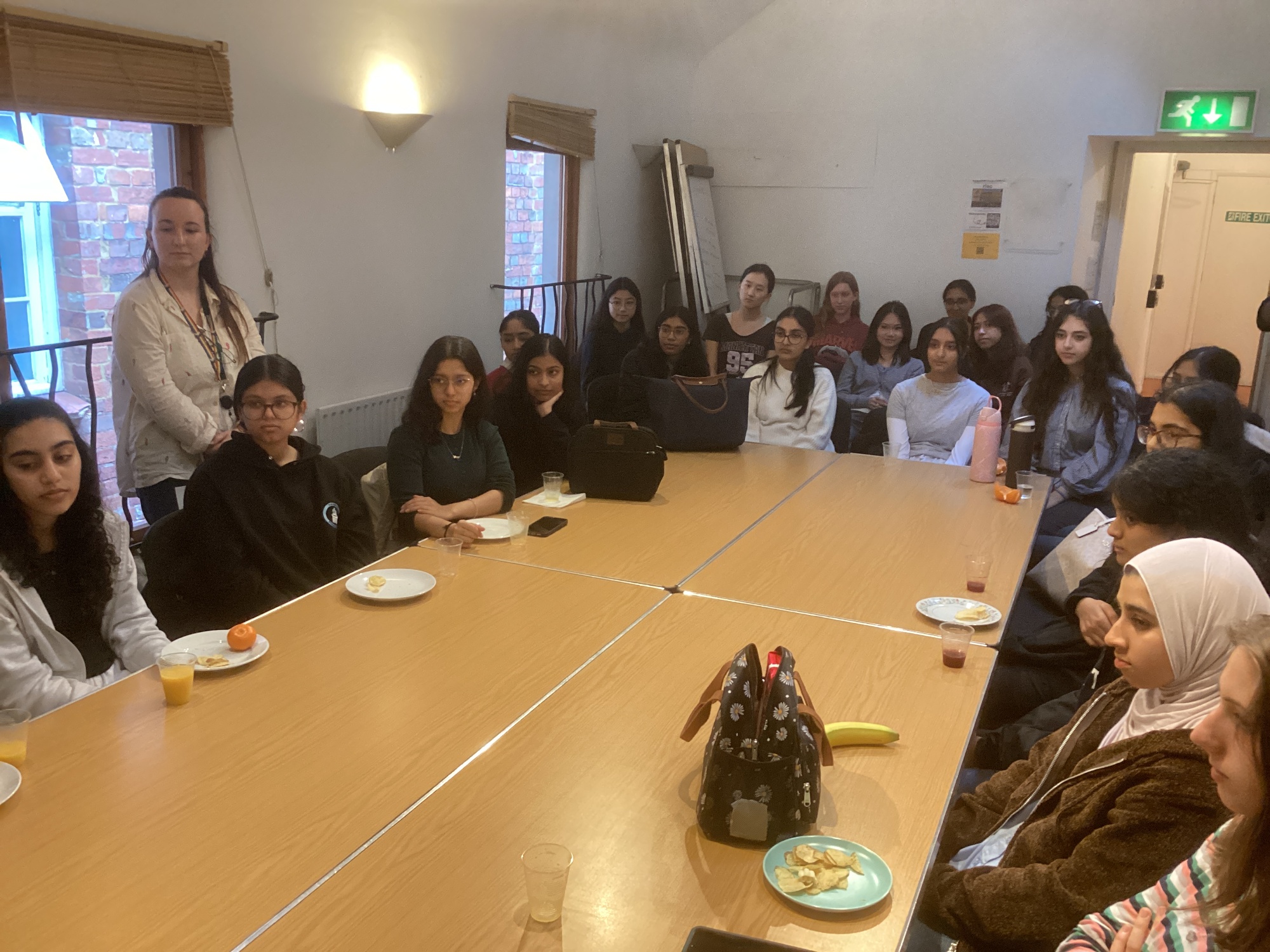
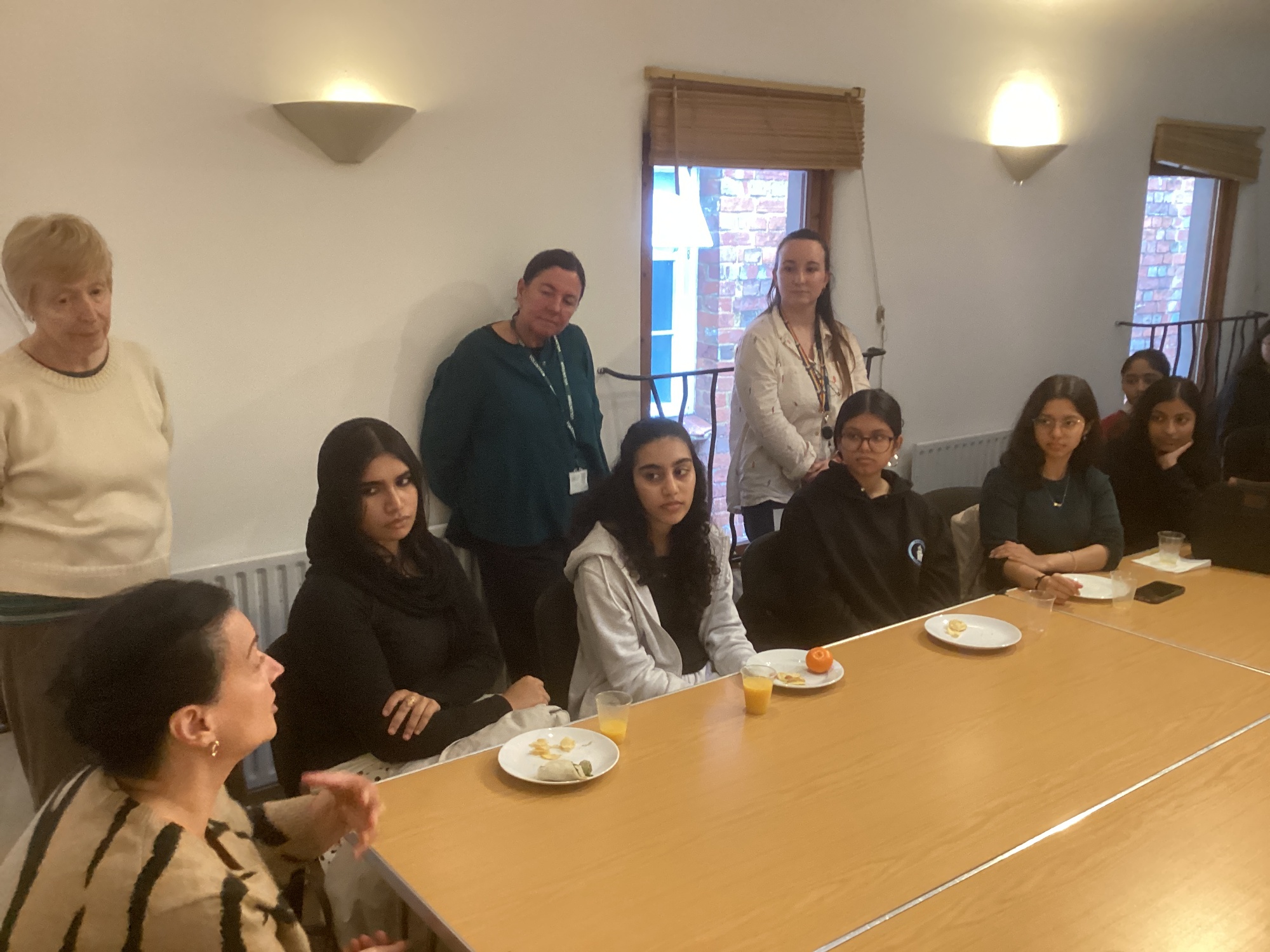
We were told about the different ways the RSG supported integration into local communities. One example is, of course, the Refugee Homework Club, hosted at both Kendrick and the Abbey, in which we create a safe space for children to receive one-on-one support with their schoolwork. This supports their integration into the school community and promotes the importance of education. Although the children always seem so happy and energetic, it was a stark reminder to us that many of them have experienced things far too mature for their age – not just the situations from which they needed to leave their homeland, but also the roles and extra responsibilities they may need to assume in their families, such as being the primary English speaker. It was touching to reflect on the tangible impact that our work might have on these families. Furthermore, the RSG hosts free English language classes, as many refugees may not yet have a strong grasp of the language. They also provide a daily drop-in service, which helps create a community where refugees can meet people in similar situations, which can reduce loneliness and isolation and improve mental health in an environment mostly unfamiliar to them, to which dozens of refugees come every day!
A member of the RSG’s dedicated casework team then explained how they advise and support refugees and asylum seekers on legal and holistic matters. Many of their clients must endure terrible living conditions, with limited food and clothing; therefore, the RSG helps them apply for small grants to enable them to buy key household goods, including school uniforms, and prevent destitution. We also learnt about how the RSG might support families who, under the government’s dispersal policy, are sent into designated housing in another part of the country, to spread the financial and social responsibility of housing refugees across different regions. Individuals typically have no choice in this regard and must move to the assigned location to maintain government support, or else they become homeless. This can be incredibly difficult, especially when they have just started to build a community in their previous area. I was shocked to learn that a family I worked with multiple times last year had recently been dispersed to Glasgow with barely a week’s notice. However, we were glad to hear that every family who is dispersed receives much support from the RSG, who help them with moving and contact the support group in their new area.
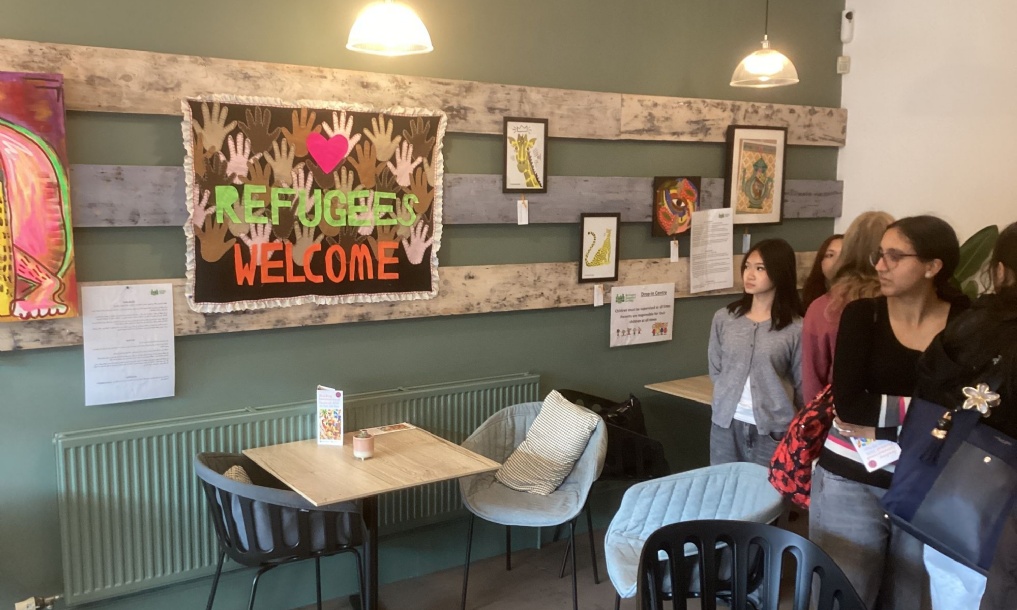
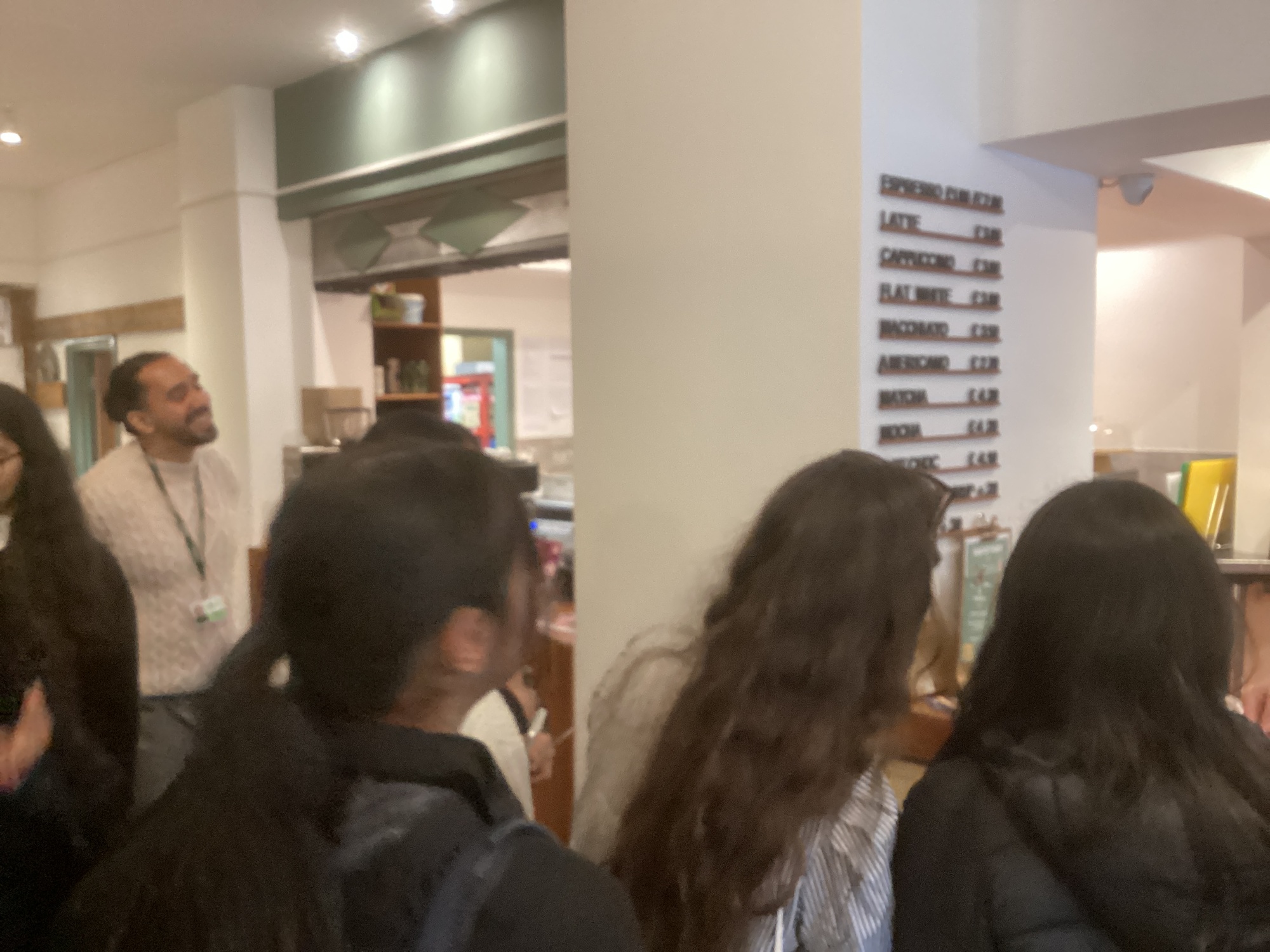
Finally, we were shown to the Sanctuary Café, in which the drop-in sessions to support integration are held daily, though it is also a welcoming community space boasting works of local artists on the walls and affordable coffee prices! We learnt that in order to support integration, the RSG teaches many refugees who are struggling to find employment to become baristas, and many of us agreed to pop by the café during free periods, to support them!
All in all, this visit was such a wonderful opportunity to learn more about the importance of the work we are able to do here at Kendrick; although it only takes an hour a week, it is clear that every hour we spend has a tangible impact upon a family.
By Moya, Year 13