
Music
‘Pupils who learn musical instruments out-perform students who do not learn music in areas of intelligence, developmental skills, academic performance, and social skills. Furthermore, they are able to transfer their musical knowledge and skills to other areas of academic excellence.’
British Journal of Music Education (1999), 16:123-138 Cambridge University Press: Copyright 1999 Cambridge University Press
Music plays an important role in the life of Kendrick. Approximately 70% of students learn an instrument privately, at school, or with Berkshire Music Trust. Central to the work of everyone in the Music Department is a desire to encourage students to give their very best at whatever level they can achieve. The result is a large number of students involved in musical activities of one kind or another and of a very high quality, culminating in the almost professional standards of some of the most able students.

What is studied at KS3?
What to expect in Music at KS3
In Years 7 - 9, students receive a one-hour lesson per week. They perform, compose, listen and appraise pieces in a variety of styles from throughout musical history in line with the National Curriculum.
Intent for KS3 Music Curriculum
At KS3, our aim is to promote a love of musical learning in which students are able to find the fun and enjoyment in learning an instrument/singing and how it can affect not only their lives, but those around them today and throughout musical history. We wish to give students the opportunity to perform, compose, listen to and appraise music from a broad range of genres and styles from different periods in time, from the 1600s to the present day. Initially, students will develop their performance skills in singing, keyboard and the ukulele, and will branch out to other instruments, such as the guitar and tuned percussion, in line with the schemes of work below and the interests of the individual. Students will explore the music of famous and notable composers from the Baroque, Classical, Romantic, 20th and 21st century eras through performance, composition and listening and appraising activities as a whole class, in small groups and individually. We incorporate elements of music technology, such as the use of MuseScore in Theme and Variations (Year 8), and GarageBand in Composing Pop Songs (Year 9), as well as how to compose for film and video games. Furthermore, we explore world music from a variety of cultures, particularly those that relate to the student community at Kendrick, and their similarities and differences with music from the UK and USA. In doing all of the above, students are well-prepared for taking GCSE Music should they wish to and/or will have developed a good understanding and appreciation for music in the world around them, thus creating well-rounded, culturally aware students whose enjoyment of music continues throughout their lives.
Curriculum Framework at KS3
Year 7 Music Learning Journey
In Year 7, students will be studying the following topics and learning about a broad variety of music from throughout history and from around the world.
|
Term |
Topic |
What you will study |
|
1 |
Elements of Music |
|
|
2 |
Keyboard and Vocal Skills |
|
|
3 |
Pachelbel’s Canon |
|
|
4 |
Instruments of the Orchestra and Conducting |
|
|
5 |
Pictures at an Exhibition |
|
|
6 |
Ukulele Skills |
|
Year 8 Music Learning Journey
In Year 8, students will be studying the following topics and learning about a broad variety of music from throughout history and from around the world.
|
Term |
Topic |
What you will study |
|
1 |
Improvisation |
|
|
2 |
Blues and Jazz Music |
|
|
3-4 |
Theme and Variations |
|
|
5-6 |
Operas and Musicals |
|
Year 9 Music Learning Journey
In Year 9, students will be studying the following topics and learning about a broad variety of music from throughout history and from around the world.
|
Term |
Topic |
What you will study |
|
1 |
Film and Video Game Music |
|
|
2-3 |
Composing a Pop Song |
|
|
4-6 |
Music from Around the World (and concert preparation) |
|
What is studied at KS4?
What to expect in Music at KS4
In Year 10, students receive five hours of Music lessons per fortnight. In Year 11, students receive four hours of Music lessons per fortnight. They study the Edexcel GCSE Music syllabus at KS which is split up into three core components as outlined below:
Component 1: Performing - 30% (one solo and one ensemble performance, totalling a minimum of four minutes)
Component 2: Composing - 30% (composing two compositions, one own choice and one to a set brief, totalling a minimum of three minutes)
Component 3: Listening and Appraising - 40% (a one hour, 45 minute exam paper at the end of Year 11)
Intent for KS4 Music Curriculum
Our intent for those studying Music at GCSE is to broaden their knowledge and understanding of performing in a wide range of contexts, both solo and ensemble, in chamber and large-scale concerts; to become more independent and creative in composing for voices and instruments; and develop their analytical and listening skills so that students can describe and evaluate pieces they have studied, as well as unfamiliar pieces, incorporating the appropriate use of musical terminology and historical, social and cultural information. Additionally, students will have learned about the various roles associated with organising and hosting a music concert and other careers in Music as they take charge in organising the Upper School Chamber Concert. Our ultimate aim is that all of what has been learned prepares students for the next stage in their musical education and that if students decide not to carry on with Music, they have a greater appreciation and understanding of how music is created and expressed and how it fits into history and society.
Uptake of Music at GCSE
Between 10-20% of students in our Year 10 cohort take GCSE Music, which is double the approximate 5% national figure.
We also have a multitude of students who continue to enjoy music outside of lessons through a range of enrichment activities, such as House Music, productions, tours and extra-curricular clubs and concerts. Additionally, about 70% of the total Kendrick community receive some form of instrumental or vocal tuition on a weekly basis.
Curriculum Framework at KS4
Students develop their understanding of music through the three core disciplines of performing, composing, and listening/appraising. They study a wide range of musical styles from the Baroque period to contemporary popular, film and fusion music, while developing practical, analytical and creative skills.
Year 10
Students begin by strengthening their understanding of musical language, notation, composition techniques and performance skills. They learn to analyse music using appropriate subject terminology and apply this knowledge through listening, performing and composing activities.
Areas of study include:
-
Music for Stage and Screen – studying works by John Williams and Stephen Schwartz, alongside developing ensemble performance and song-writing skills.
-
Baroque Music – exploring the music of Purcell and J.S. Bach, performing and analysing key works while examining historical context and stylistic features.
-
Fusion Music – studying the music of Afro Celt Sound System, exploring how musical traditions and technology combine to create new styles.
Students compose in a range of styles, developing melodies, harmony and structure before completing an extended free composition. They also prepare and refine solo performances, developing technical proficiency and expressive communication.
A distinctive feature of the course is student leadership of the Upper School and Sixth Form Chamber Concert, where students work collaboratively to programme, manage and promote a live performance event, gaining valuable insight into careers within the music industry.
Year 11
Students continue to develop their analytical, compositional and performance skills while preparing for assessment.
Areas of study include:
-
Classical and Romantic Music – focusing on Beethoven and the development of sonata form.
-
Fusion Music – exploring the work of Esperanza Spalding and influences from jazz, Latin American and world music traditions.
-
Popular Music – studying Queen's "Killer Queen", alongside the social, cultural and musical influences of the period.
Students complete both a free composition and an examination-board composition brief, alongside solo and ensemble performances. Throughout the year, they refine essay-writing, listening and aural skills, including musical dictation and the analysis of unfamiliar music. They also enhance their revision techniques through consolidation and exam technique sessions.
How Students Learn:
Teaching combines:
-
Practical performing and ensemble work
-
Composition using music technology and traditional notation
-
Listening and analytical activities
-
Independent and collaborative learning
-
Wider listening across a broad range of musical genres and cultures
-
Live performance opportunities and concert attendance
By the End of the Course:
Students will be able to:
-
Perform confidently as soloists and ensemble musicians
-
Compose original music for a range of purposes and styles
-
Analyse and evaluate music using specialist musical vocabulary
-
Understand the historical, cultural and social contexts of music
-
Develop transferable skills including creativity, communication, leadership, collaboration and critical thinking
What is studied at KS5?
What to expect in Music at KS5
Students study the Edexcel A Level Music syllabus at KS5. It is split up into three core components as outlined below:
Component 1: Performing - 30% (performing an 8-minute varied programme of music)
Component 2: Composing - 30% (composing a 4-minute composition either to a brief or a free composition - 20%; completing two compositional technical exercises - Bach chorales - 10%)
Component 3: Listening and Appraising - 40% (a 2-hour exam paper at the end of Year 13)
In Years 12 and 13, students receive eight hours of teacher-led Music lessons and two Directed Independent Study Periods (DISPs) per fortnight. The breakdown of these lessons is as follows:
4 x 1-hour lessons - listening and appraising: students analyse the given set works as outlined by Edexcel and also learn about how these pieces fit into their historical, social and cultural contexts. During these lessons, students also analyse a variety of pieces by the aforementioned composers, as well as those composing at the same time some of their pieces were written.
2 x 1-hour lessons - composing: students study composition in a range of different styles, from experimental to classical and everything in between, working towards creating their own piece either to a brief or of their own choosing.
1 x 1-hour lesson - compositional techniques: students learn how to write in four-part harmony in the form of Bach chorales. Here, they learn the ‘rules’ associated with writing in the style of JS Bach and work towards completing two full chorales (one major and one minor) at the end of the course.
1 x 1-hour lesson - performance: students develop their instrumental and vocal skills in solo and ensemble performance. They learn to build their confidence of performing in front of others and how to practise and enhance their pieces effectively. Furthermore, students learn about the historical factors affecting their choice of pieces and how that can influence how they may be performed today.
2 x 1-hour DISPs (Directed Independent Study Periods) - students are set independent and group work tasks linked to their set works, harmony, composition and/or performance work. These feed into future lessons.
Intent for KS5 Music Curriculum:
A Level Music builds on GCSE foundations while broadening students’ understanding of performance, composition, harmony, listening and analysis. Students develop as confident musicians, critical thinkers and independent learners, preparing them for higher education, conservatoire study, employment and lifelong engagement with music.
Over the two-year course, students explore music from the Renaissance to the present day, examining how historical, cultural, political and technological developments have influenced composers and musical styles around the world. Alongside this, they develop valuable transferable skills including research, communication, teamwork, organisation, planning and independent study.
Year 12
Students begin by exploring the major musical periods and key composers, developing advanced listening, analytical and essay-writing skills. During the year, students develop their musical knowledge, understanding and skills across the following areas:
Performance and Careers:
-
Develop technical, interpretative and communication skills through solo and ensemble performance.
-
Study performance practice, audience engagement and recital programming.
-
Take part in chamber concerts, ensembles and choirs, as well as leading a Performance in the Community project for a local primary school.
-
Perform set works.
-
Work towards a varied recital programme of approximately six minutes or more.
Composition:
-
Complete composition tasks in a range of styles, often linking to their set works.
-
Learn how to structure extended compositions and write effectively for voices and instruments.
-
Develop an understanding of how to compose for audience and occasion, creating an intended mood or atmoshphere.
-
Begin a substantial composition, either free-choice or based on an exam-board brief.
Harmony and Aural Skills:
-
Study four-part harmony and chorale writing in the style of J.S. Bach.
-
Develop understanding of harmony, cadences, modulation and musical structure.
-
Improve aural skills through melody, rhythm and chord dictation.
Listening and Appraising:
-
Study a range of set works including music by Danny Elfman, Clara Schumann, Courtney Pine and J.S. Bach.
-
Explore the historical, social and cultural contexts of music.
-
Develop skills in analytical and comparative essay writing.
Year 13
Students refine and extend the skills developed in Year 12 while preparing for their final assessments. Over the course of the year, they study the following:
Performance and Careers:
-
How to prepare and perform an extended recital of contrasting pieces.
-
Research relevant university and conservatoire courses, developing an understanding of how to write an effective application and personal statement.
-
Develop a stylistic understanding of their repertoire, perform with confidence and enhance presentation skills.
-
Gain opportunities to perform in concerts and larger-scale ensemble projects.
Composition:
-
Complete a final extended composition, either free-choice or based on an examination brief.
-
Refine work through regular feedback, evaluation and redrafting.
Harmony and Aural Skills:
-
Extend four-part writing skills through more advanced harmonic techniques, uses of modulations and chromatic harmony.
-
Completing assessed harmony tasks under examination conditions.
-
Developing advanced listening and dictation skills, including melodic and rhythmic dictation, intervals, keys and chord identification.
Listening and Appraising:
-
Study major works including music by Berlioz, Vaughan Williams, Stravinsky, The Beatles and Anoushka Shankar.
-
Explore how composers responded to artistic, social and political influences.
-
Strengthen analytical, essay-writing and critical listening skills through wider listening and comparison.
How Students Learn:
Teaching combines:
-
Regular performance opportunities, including practical performance and recital work.
-
Composition and creative workshops with industry professionals.
-
Harmony and theory lessons.
-
Listening and analytical study.
-
Historical and cultural research.
-
Independent learning and wider listening.
-
Peer and teacher feedback.
By the End of the Course:
Students will be able to:
-
Perform confidently and expressively as soloists and ensemble musicians.
-
Compose extended, original works in a variety of styles.
-
Apply advanced harmonic and theoretical understanding to all components studied.
-
Analyse and evaluate music from a wide range of periods and traditions, embedding this knowledge into a critical and evaluative argument in an essay.
-
Communicate sophisticated musical ideas through written and verbal discussion.
-
Demonstrate independence, creativity and critical thinking skills that support future study and career pathways.
Previous Destinations of Kendrick Students who Studied Music
2025
Forensic Anthropology at Liverpool John Moores University
2024
Music at University of Liverpool
Psychology at Royal Holloway, University of London
2023
Music at Royal Northern College of Music
Music at Royal Birmingham Conservatoire of Music
Medicine at University of Cambridge
Mathematics at University of Bristol
Veterinary Medicine at Surrey University
2022
Music at Birmingham University
Liberal Arts at Durham University
2021
Music at Royal Academy of Music
Music at University of Manchester
Liberal Arts at University of Bristol
2020
Music at University of York
Extra-curricular Music at Kendrick
Extra-curricular Ensembles and Choirs at Kendrick
Kendrick provides opportunities for students of all ages and abilities to participate in musical ensembles and choirs. These include:
Choirs
- Mass Choir – for students in all year groups
- Chamber Choir - by audition only (students in Years 9 and above)
Orchestras and Bands
- Wind Orchestra - for all wind and brass instruments (grade 1+)
- Jazz Band - for all jazz instrumentalists (grade 3+)
- Sinfonia - a junior orchestra for all orchestral instrumentalists (grades 2-5)
- Symphony Orchestra - a senior orchestra for all orchestral instrumentalists (grades 6+)
Chamber Ensembles
- Harp Ensemble - for all harpists
- Flute Ensemble - for all flautists
- Brass Ensemble - for all brass players (grade 1+)
- Carnatic Ensemble – for all students who sing/play Carnatic music
Instrumental and Vocal Lessons at Kendrick
We are incredibly fortunate to have an array of instrumental and vocal lessons provided by Berkshire Music Trust and additional private Visiting Music Teachers (VMTs) in the following instruments (see below). These lessons take place on a weekly basis, both during the school day, at break times, and before/after school, depending on the availability of our visiting music teachers (VMTs):
- Brass: trumpet, tenor horn, baritone, trombone and tuba (we can provide for French horn as needed)
- Percussion: drum kit and orchestral percussion
- Piano and keyboard are also available
- Strings: violin, viola, cello and harp (we can provide for double bass as needed)
- Woodwind: clarinet, flute and saxophone (we can provide for oboe, bassoon and recorder as needed)
- Guitar: Classical, electric and bass guitar
- Voice: all voice types and styles
- Theory
Performance Opportunities
Music exuberates through Kendrick and there is always something to get involved in musically, from large-scale concerts to smaller, chamber music concerts and student-led events. Additionally, we put on whole-school productions, have music tours and so much more! Highlights from the past two years included our music tour to Belgium, the performance from students in Mass Choir with other schools in Berkshire in ‘You’re the Voice’ at The Hexagon, our annual Performance in the Community events to over 100 primary school students and our production of Into the Woods.
In 2026–27, the following performance opportunities are available:
Autumn - Term 1
- Upper School Chamber Music Concert - Years 10 and above perform solo and small group items.
Autumn – Term 2
- House Music - students from all year groups work together in their houses to deliver a song or their own composition based on a given theme.
- Christmas Concert - all large-scale ensembles and choirs perform, including a whole Year 7 choir.
Spring – Term 3
- Y11 Music students complete their NEA performance recordings.
Spring - Term 4
- Air Ambulance Concert – student-led concert featuring musicians from Kendrick School and Reading School raising money for Thames Valley Air Ambulance.
- Spring Concert – all large-scale ensembles and choirs perform, including Year 13 concerto items.
- Music Tour (bi-annual) – students from the Symphony Orchestra, Chamber Choir and Jazz Band will travel to another country to perform in 2–3 concerts. The most recent tour was to Belgium in March 2026.
Summer - Term 5
- Lower School Chamber Concert – Years 7-9 perform solo and small group items.
Summer - Term 6
- Creative Arts Festival – a week full of activities at the end of June/early July celebrating the creative arts subject. It culminates with a Creative Arts Festival Showcase – an evening of performance across the subjects, with Art and Textiles work on display.
- Performer Series – a 2-hour event which brings together our highest ability students in two instrumental/vocal disciplines, working with professional musicians/singers in masterclasses and as a large ensemble. It finishes with an informal concert in which both professionals perform, we hear from the masterclass students, and ends with our ensemble items.
- Senior Music Festival – our Mass Choir joins schools across the county to perform as a large-scale choir at The Hexagon.
- Summer Gala Concert – all large-scale ensembles and choirs perform, including a whole Year 9 choir.
Musical Productions and Tours
The Music and Drama departments work together to put on a production every 2–3 years at Kendrick. In 2021, students performed in Legally Blonde with a live orchestra. This was then followed up in 2024 with three nights of Into the Woods, again with a live orchestra.
Kendrick took its students on its first music tour in March 2026, performing at St Bavo’s Cathedral in Ghent and the Church of Lady in De Panne, Belgium. Students had an incredible time, immersed themselves in the culture, and were able to partake in various activities, build new friendships and performed to full audiences, who even gave standing ovations!
Live Theatre Trips and Masterclasses
As part of the GCSE and A Level syllabus, and in partnership with the Drama Department, students are invited to visit a West End theatre and see and hear a professional production. This is often a highlight of the year for all involved.
Now in its 8th year, Kendrick hosts a Performer Series in which a professional musician is hired to deliver a masterclass for students at Kendrick and in the surrounding areas. Depending on the discipline, there may be a workshop for all to learn something new in an afternoon and a set of masterclasses to hear how senior students develop a piece under expert guidance. This culminates in a concert from the professional musician and those that have taken part in the event itself.
Staff
Mrs C Cooper - Subject Leader
Ms B Rohweder
Miss N Rodrigues - Technician
Practice Rooms in the Music Department
As part of International Women's Day 2021, the Music Department set out to rename its practice rooms in honour of influential and inspirational women from throughout musical history. We thought it would be fitting to introduce those women to you, celebrating how these women have gone on to be successful in their respective fields and paving the way for future women to do the same.
We had many fantastic entries which made it very difficult to choose just five people! The names below are those that we chose which we feel are representative of diverse backgrounds and fields.
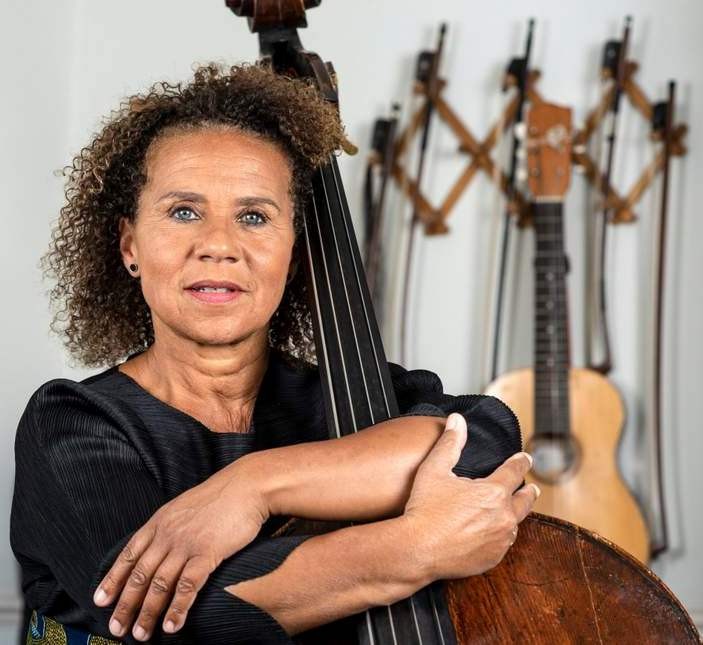
Chi-chi Nwanoku OBE – b.1956 – double bass player and founder/Artistic/Executive Director of Chineke! Orchestra. She is also a former Kendrick student.
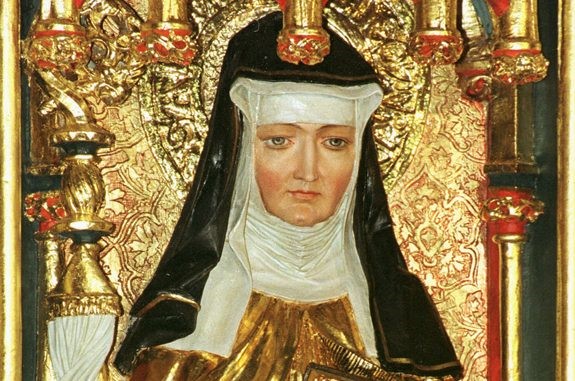
Hildegard von Bingen – 1098-1179 – first named composer and the most prolific of the Middle Ages.
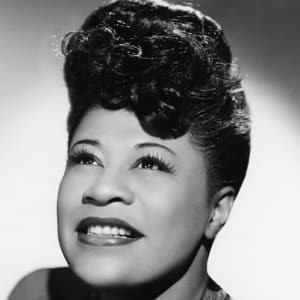
Ella Fitzgerald – 1917-1996 – jazz vocalist and the "First Lady of Song"
Alison Balsom – b.1978 – professional solo trumpeter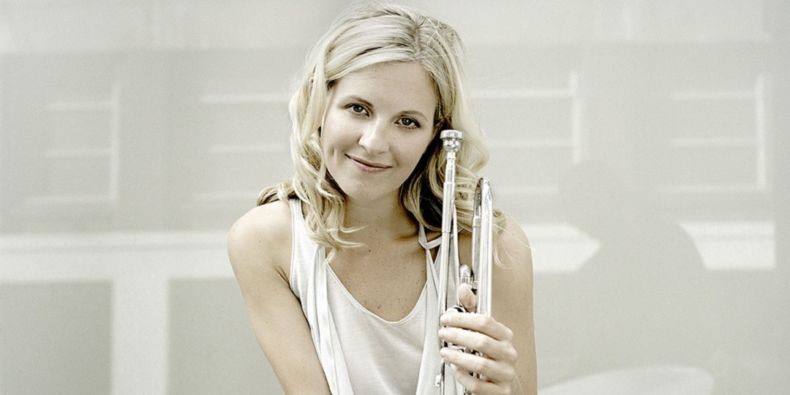
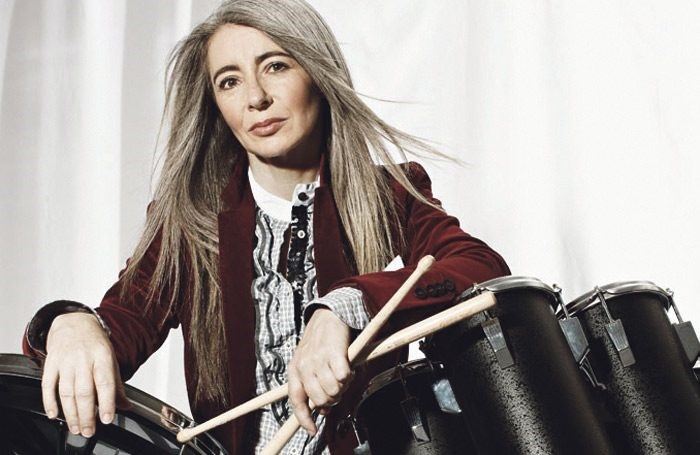
Dame Evelyn Glennie – b.1965 – percussionist (who also happens to be deaf) and composer - the first person to create and sustain a full-time career as a solo percussionist
External Opportunities / Competitions
Berkshire Youth Symphony Orchestra